
How Long Should You Let Your Child Sit on the Potty? (And What Happens If They Sit Too Long)
Ah, potty training. That magical phase where parents everywhere become expert negotiators, cheerleaders, and janitors all in one. This process is often one of the hardest processes that I coach parents through, mainly because the parent is not usually in control of this process, the child is!
One of the most common questions I get as a parenting consultant who specializes in this process is:
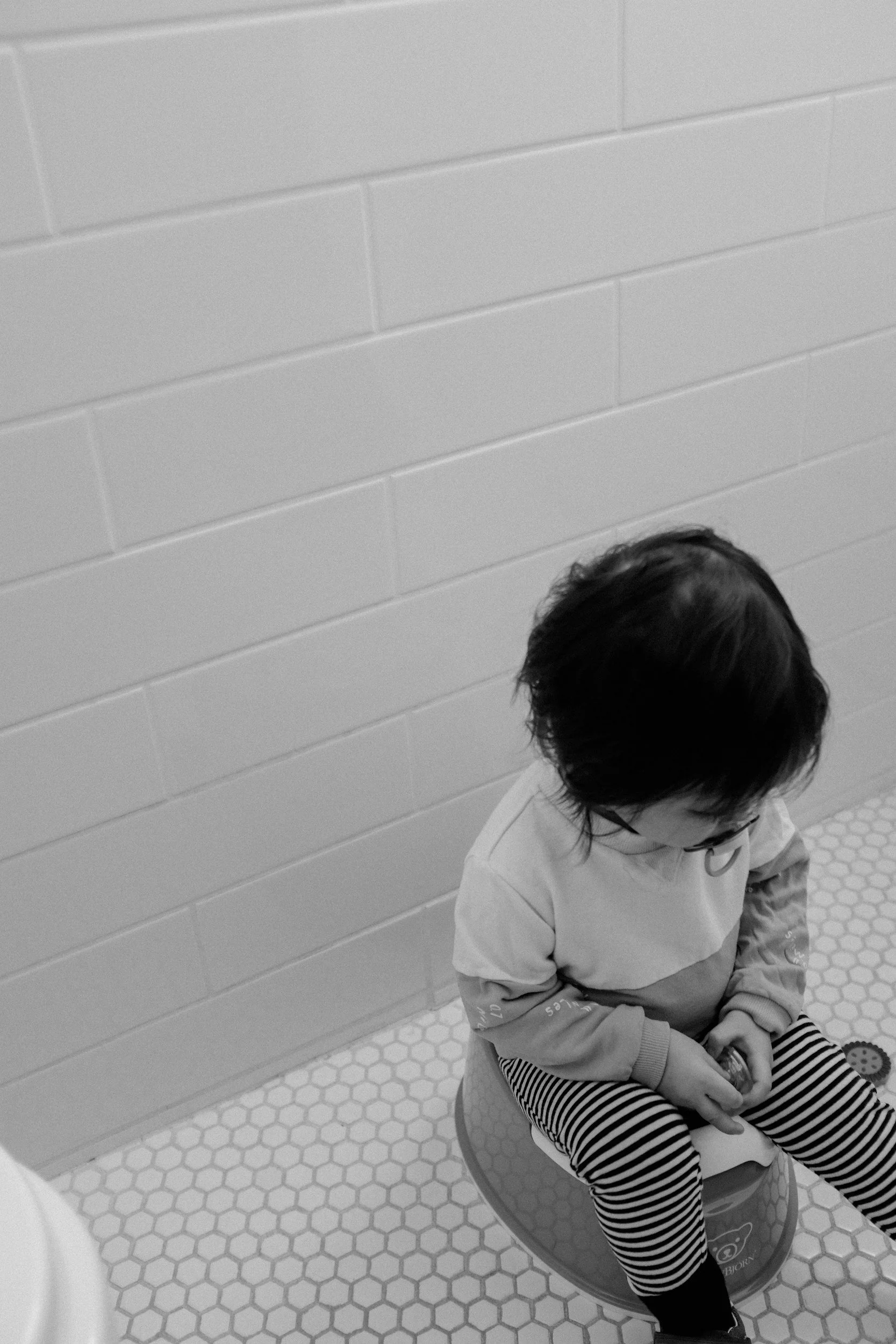
sit and sit and sit and sit
Don’t let the potty become a chair, keep sitting practices short and sweet
How long should I let my child sit on the potty?”
And the honest answer is… not long enough for you to scroll TikTok and forget what you came in the bathroom for.
So, how long is too long?
For most toddlers, five minutes is maximum and to begin with, you will be lucky if you get 20 seconds. Start off small and work towards a longer time frame, but sitting for TOO long, can causes issues in the same way it can cause issues for adults.
The goal is to build confidence, not resentment toward the potty (or you) and believe me, you will take the brunt of this process.
Why sitting too long can actually backfire
Here’s what can happen if potty time goes on... and on... and on:
They lose interest.
When a child sits too long, the novelty fades fast. The potty turns into a chair, and they start daydreaming about snacks or Paw Patrol. Sitting is boring, especially when the sitting platform is so small.They get frustrated.
No one likes to feel “stuck.” If it feels like a chore or punishment, your child may resist trying at all next time.It can cause constipation or withholding and piles.
Prolonged sitting doesn’t “encourage” things to move, in fact, it can make kids tighten up, especially if they start feeling pressure (literally or emotionally). Sitting for too long can also cause piles in children the same way it can in adults. Cue iPad, they are responsible for many adults giving themselves piles for sitting and scrolling.They associate potty time with stress.
If every attempt feels like a forced session, kids may start holding their pee or poop, which creates a cycle that’s hard to break.
The better way to handle potty time
Try these quick tips for stress-free potty sessions:
✅ Keep it short and predictable.
Have them try after meals, naps, or when you notice potty cues , and keep each attempt under five minutes, even one minute can feel like a life time to a toddler.
✅ Make it positive.
Cheer effort, not output. “You sat on the potty! Great try!” works wonders but DO NOT offer a tangible treat for this success, save those for output or releases on the potty ONLY.
✅ Offer a potty break, not a potty marathon.
Short, consistent tries build better habits than one long sit.
✅ Use a timer.
Set a fun “potty song” or a timer like an egg timer. When it’s done, potty time is done , no power struggles!
Bottom line - no pun intended
If potty time is dragging on, you’re not doing anything “wrong.” You just might need to reset expectations. Potty training works best when it’s relaxed, consistent, and developmentally appropriate — not when a child feels like they’ve been sentenced to bathroom time-out.
Remember: potty training is a process, not a sprint… or a sit-a-thon.
Feeling stuck? Book a Free call with me