
You Should Introduce Allergens Early
If you’ve ever stared at a jar of peanut butter and thought, “Am I really supposed to feed this to my baby?” you’re not alone. The advice has swung from one extreme to another over the last decade in terms of the right age to introduce the foods which create the biggest reactions. For years, parents were told to delay introducing allergens like peanuts, eggs, and dairy last with items like peanuts being off the list until the child was 2 years old. But more recently the research has changed (a lot), and early introduction is now one of the most effective ways to reduce the risk of food allergies later in life. So many of my clients have drove to the ER, parked up outside to test allergens out, so your worry is valid.
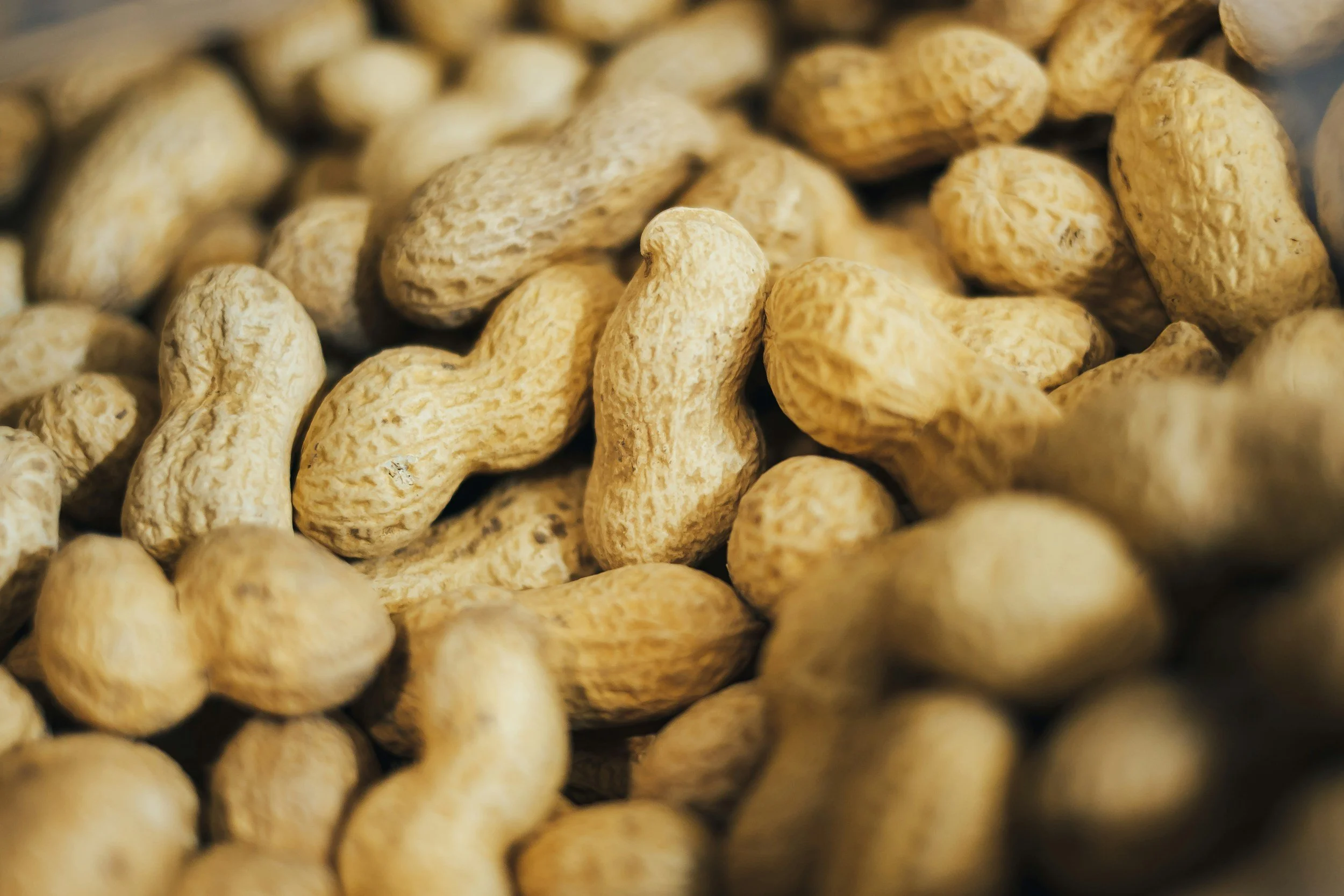
Testing out allergens can provoke many fears in new parents
Here is three practical tips to help you get started
1. Start Early, but Safely
Current guidelines from the Canadian Paediatric Society (and echoed by the American Academy of Pediatrics) recommend introducing common allergens around 6 months of age, after your baby has safely started solids.
The key is to make sure your baby is developmentally ready (sitting up with good head control) and to then introduce one allergen at a time, ideally in the morning so you can watch for reactions. if you have spent some time working on the sleep, the last thing you want to be dealing with is a reaction just before bed.
Start with a small amount mixed into a food your baby already tolerates, like smooth peanut butter thinned with breast milk, or scrambled egg mashed with avocado. Ensure that your baby has had the ‘other’ food already.
2. Keep It Consistent
Introducing an allergen once isn’t enough. To help your baby build tolerance, they need ongoing exposure. Once your baby has safely tried an allergen, keep offering it a few times a week.
Add common allergens to your meal rotation, like oatmeal with almond butter, pancakes with egg, or yogurt as a snack. Keep it simple, and use foods your family already eats.
3. Don’t Panic if your baby reacts, instead Be Prepared
Allergic reactions are rare, especially when introducing foods at home in healthy infants. But it’s always smart to be prepared.
Know the signs of a mild vs. severe allergic reactions, such as hives, vomiting, swelling, or breathing difficulty and keep emergency numbers handy. If you’re nervous, talk to your pediatrician before starting or as I mentioned in the opening paragraph do what many of my clients do, and beeline the ER parking lot.
Final Thoughts
Introducing allergens is one of those parenting moments that feels nerve-wracking at first, but turns out to be empowering once you have the right information. The goal isn’t to rush, but to make it a normal, relaxed part of your baby’s food journey. The more stressed you are when you are feeding your baby, the harder it may be for them to also try the food.
I’d love to hear from you! What allergen did you introduce first or what’s your biggest question about starting solids?
I love hearing what’s working for your family so I can share with other parents.
.