
How To Get on Top of Snacking Culture
Being British, I had never even heard of “snacks” until I moved to North America.
Where I grew up, children didn’t sit in cars eating tiny cubes of cheese from plastic bags. We walked, we played, and we ate, wait for it……….at the table. And only at mealtimes.
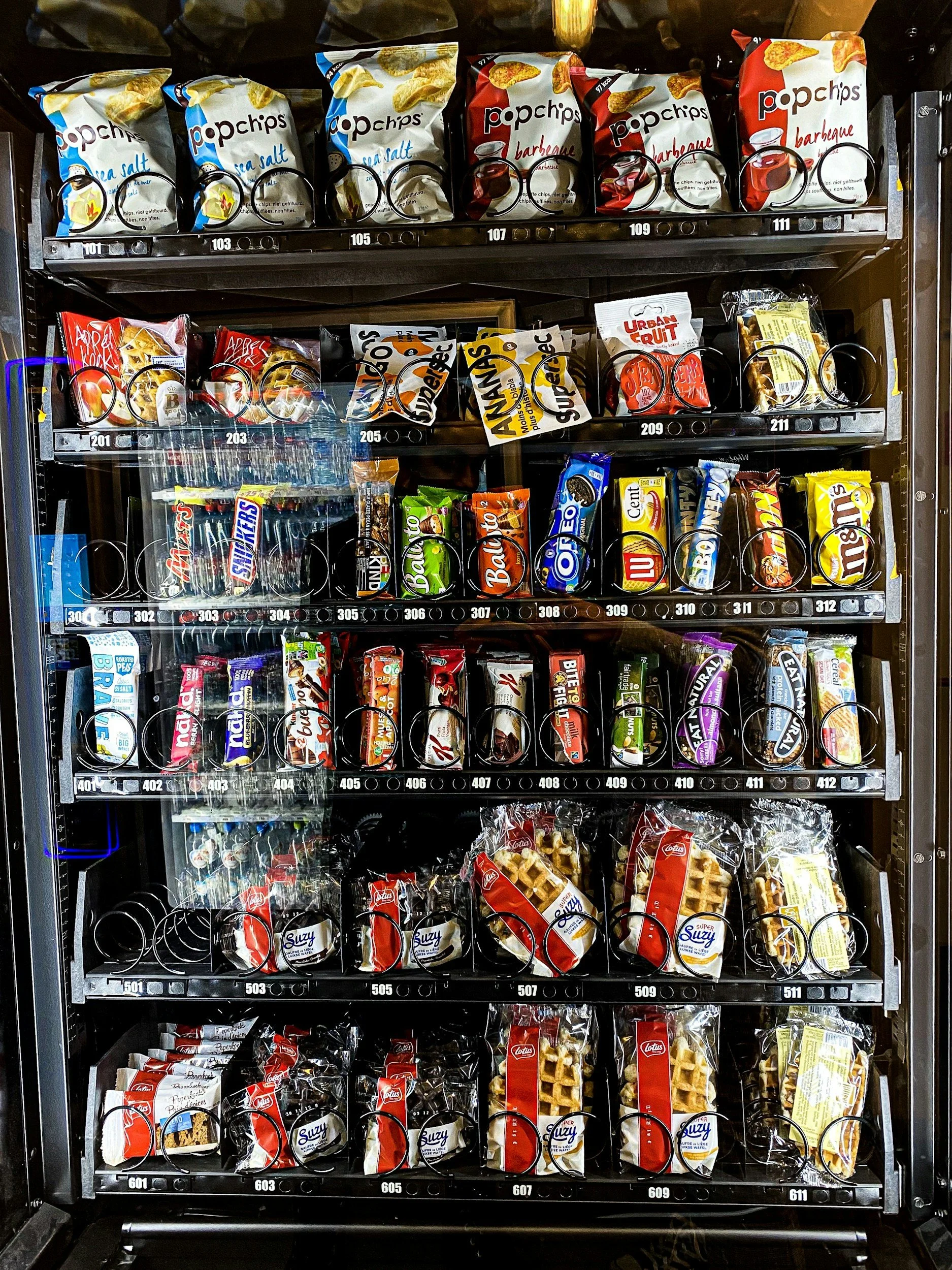
Do you feel like a human vending machine?
It’s okay for your child to get hungry and it's also okay to deny snacks.
Fast forward to parenthood on this side of the Atlantic and I suddenly found myself living in a world where snacks were EVERYWHERE. All toddlers seemed armed with a zip-loc of snacks, parents refereeing granola bar negotiations, and an occasional meltdown over who got the “good” crackers and the back seat of the car looking like it held scraps being saved for later on.
Welcome to the Snack Trap.
How Did We Get Here?
Somewhere along the line, “snacking” shifted from an occasional nibble to a full-time occupation. Kids are eating in the car, at the park, in the shopping trolley, and even while walking the dog around the block.
It’s not entirely our fault, food is everywhere now. Marketing tells us “kids need constant fuel”and it’s a high competition over who has the healthiest and most convenient option. In reality, most children don’t need snacks every hour. What they need is structure, consistency, and the opportunity to get hungry enough to enjoy their actual meals. I can not stress, the last part enough - they need to GET HUNGRY.
Why Endless Snacking Causes Chaos
Here’s what happens when snacks take over:
Meals get ignored. If your child grazes all day, they’re simply not hungry when it counts.
Nutritional quality drops. Snack foods are usually more “fun” than carrots.
Battles increase. “But I’m huuungry” becomes the soundtrack of your afternoon.
Parents lose control. You become the human vending machine.
How to Get Back on Top of Snacking Culture
Let’s reclaim sanity, without becoming the Snack Police.
1. Establish Snack Zones
Snacks happen at the table, not in the car, not in the buggy, not while building a Lego tower. Keeping eating in one place reduces mindless munching and makes food feel intentional again.
2. Set Snack Times (and Stick to Them)
Two scheduled snack times ONLY mid-morning and mid-afternoon. When your child says, “I’m hungry!” 30 minutes after breakfast, simply say, “Snack time is after storytime or whatever you have on that day.” Structure helps their body learn real hunger cues not just feeding boredom or emotions.
3. Offer Real Food, Not Just Fillers
Think mini-meal, not party food. A piece of cheese, apple slices, a boiled egg, snacks that actually fuel. Avoid the “snack pack” trap, which often leads to sugar highs and carb crashes.
4. Ditch the Car Snacks (Mostly)
Yes, it’s convenient. But eating while driving teaches kids to eat mindlessly. Plus, have you ever tried cleaning crushed crackers out of car seats? Exactly. It can also be a high choking zone, as you can not monitor them or get to them fast.
5. Model the Behaviour
If your child sees you grazing nonstop, they’ll follow suit. Show them that adults can wait between meals, even if you sneak a quiet biscuit later (no judgment).
REMEMBER
Snacking isn’t evil. It’s just gotten… out of hand.
Reintroducing a bit of structure helps everyone and allows your child to eat better, meals feel calmer, and you spend less time rustling around for yet another snack bag.
Feeling overwhelmed by all the mealtime and snacktime chaos?
You don’t have to tackle it alone.
Book your free 15-minute call with me today — let’s chat about how to bring balance back to your family’s eating routine (and your sanity).