
Is Hiding Veggies in Your Kids Dinner a Good Idea?
Some recipes call for it, some do not, but parents will do it anyway - have you ever pureed spinach into pasta sauce or blended cauliflower into mashed potatoes, because you are worried that presenting these veggies in any other way will result in them being thrown across the room? Many parents have wondered: Is hiding veggies in your kids’ dinner a good idea?
The short answer: it depends on your goal.
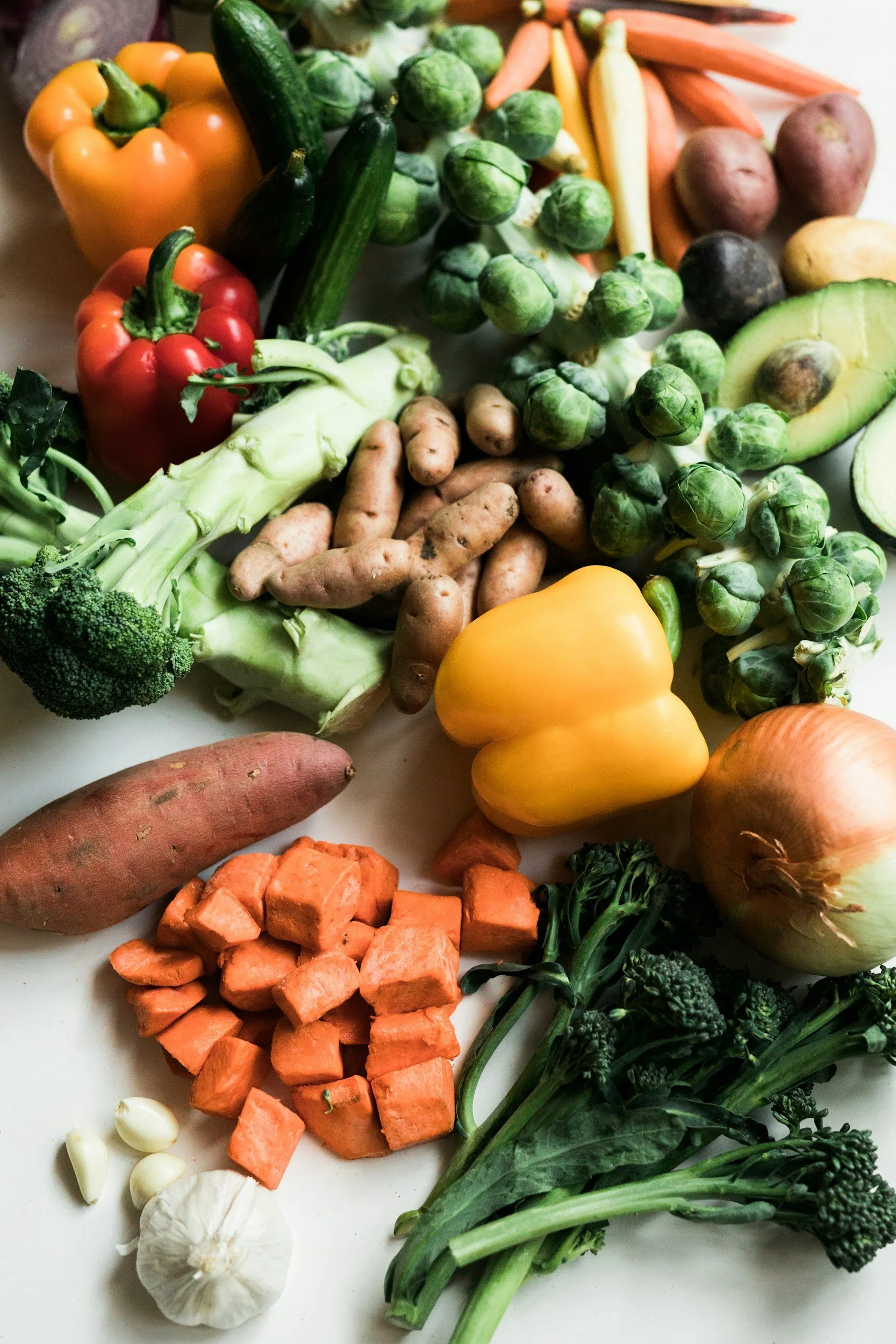
Many children struggle with veggies or foods that are green, red or yellow
Is hiding these veggies a good idea?
Let’s dig into what research and child nutrition experts say about the “sneaky veggies” approach and how to help your little one become a confident, curious eater in the long run.
The Case For Hiding Veggies
There’s no denying it, kids can be stubborn when it comes to vegetables. According to the CDC, fewer than 10% of children in North America eat the recommended daily amount of vegetables. So it’s easy to understand why a little stealth might feel necessary.
Research from Appetite (2012) found that when vegetables are “hidden” in familiar foods, children often consume more vegetables overall without even realizing it. This can help boost fiber, vitamins, and minerals, especially for very picky eaters or toddlers in food jags (where they’ll only eat a few specific foods).
So, if blending carrots into muffins or spinach into smoothies helps your child meet their nutritional needs that’s a parenting win in the short term, but what about the long?
The Case Against Hiding Veggies
Here’s the flip side: if your child doesn’t know they’re eating vegetables, they may never learn to like them. Think about the handy dandy pouches with healthy quinoa, kale and beetroot. They are easy to offer and easy for children to suck on, but if they never see what they are eating, they never know what it looks like in its ‘normal’ form.
Several studies show that repeated, visible exposure to vegetables; seeing them, touching them, tasting them, smelling them helps children build acceptance over time. When veggies are hidden, kids lose those learning opportunities.
In fact, research from Appetite (2014) and Public Health Nutrition (2016) found that children who are repeatedly exposed to visible vegetables are more likely to develop long-term acceptance and even preference for them.
Hidden veggies can also backfire if your child discovers the “secret.” It can lead to mistrust at mealtime, which is the opposite of what we want when building healthy eating habits and positive food relationships.
A Balanced Approach
You don’t have to choose between hiding veggies and serving them outright, there’s room for both.
✅ Use hidden veggies for nutrition: Add puréed vegetables into sauces, muffins, or soups to increase fiber and nutrient density.
✅ Keep offering visible veggies: Continue serving vegetables in their natural form even if your child doesn’t eat them. Repeated exposure without pressure is key to building acceptance.
✅ Talk about the ingredients: Involve your child in cooking. When they help chop or stir, they’re more likely to feel curious and proud of what they eat.
✅ Model healthy eating: Kids copy what they see. If you eat and enjoy your vegetables, they’re more likely to do the same over time. Most children are often more tempted to try foods that are on YOUR plate, not theirs!
Bottom Line
Hiding veggies can be a useful short-term strategy, but it’s not a substitute for teaching kids to enjoy vegetables. The goal isn’t just to get nutrients into their bodies it’s to build a healthy, confident relationship with food that lasts.
So go ahead and sneak those veggies when you need to. But don’t stop putting them proudly on the plate too.
Want more real-life parenting strategies like this?
Sign up for my free weekly newsletter and get evidence-based tips for feeding, sleeping, and parenting kids 0–5, straight to your inbox
References
Fildes, A., et al. (2014). Appetite, 84, 1–6.
Remy, E., et al. (2012). "Effect of Hidden Vegetables on Vegetable Intake and Liking in Preschool Children." Appetite, 58(1), 232–238.
Spill, M.K., et al. (2011). “Effect of Increased Vegetable Consumption on Energy Intake and Weight Status in Preschool Children.” American Journal of Clinical Nutrition, 94(3), 763–771.
Wardle, J., et al. (2003). “Increasing Children’s Acceptance of Vegetables: A Randomized Trial of Parent-Led Exposure.” Appetite, 40(2), 155–162.
CDC (2021). Vegetable and Fruit Consumption Among Children in the U.S.