Why Sleep Training Isn’t Working
When sleep training isn’t working, it’s rarely because you’re doing it wrong. It’s usually because the plan isn’t tailored to your baby’s temperament, issue or developmental stage
Most sleep struggles aren’t random they usually follow predictable patterns.
You’ve followed wake windows.
You’ve adjusted naps.
You’ve tried gentler approaches.
Maybe you even tried cry-it-out and hated it.
And somehow… you’re still exhausted.
Here’s the truth most people don’t say:
Sleep training doesn’t fail because you’re inconsistent.
It fails because it wasn’t designed for your specific problem.
The Problem With One-Size-Fits-All Sleep Plans
Many sleep programs are built around averages
Average wake windows
Average temperament
Average feeding needs
Average developmental pace
But toddlers and babies are not averages nor are they computers, each family will have their own variables which is why it is often hard to see where you fit into the cookie cutter advice.
Some are highly sensitive.
Some are intense and persistent.
Some are deeply attached.
Some are neurologically more reactive.
If your little one’s specific issue doesn’t fit the template, the plan won’t work.
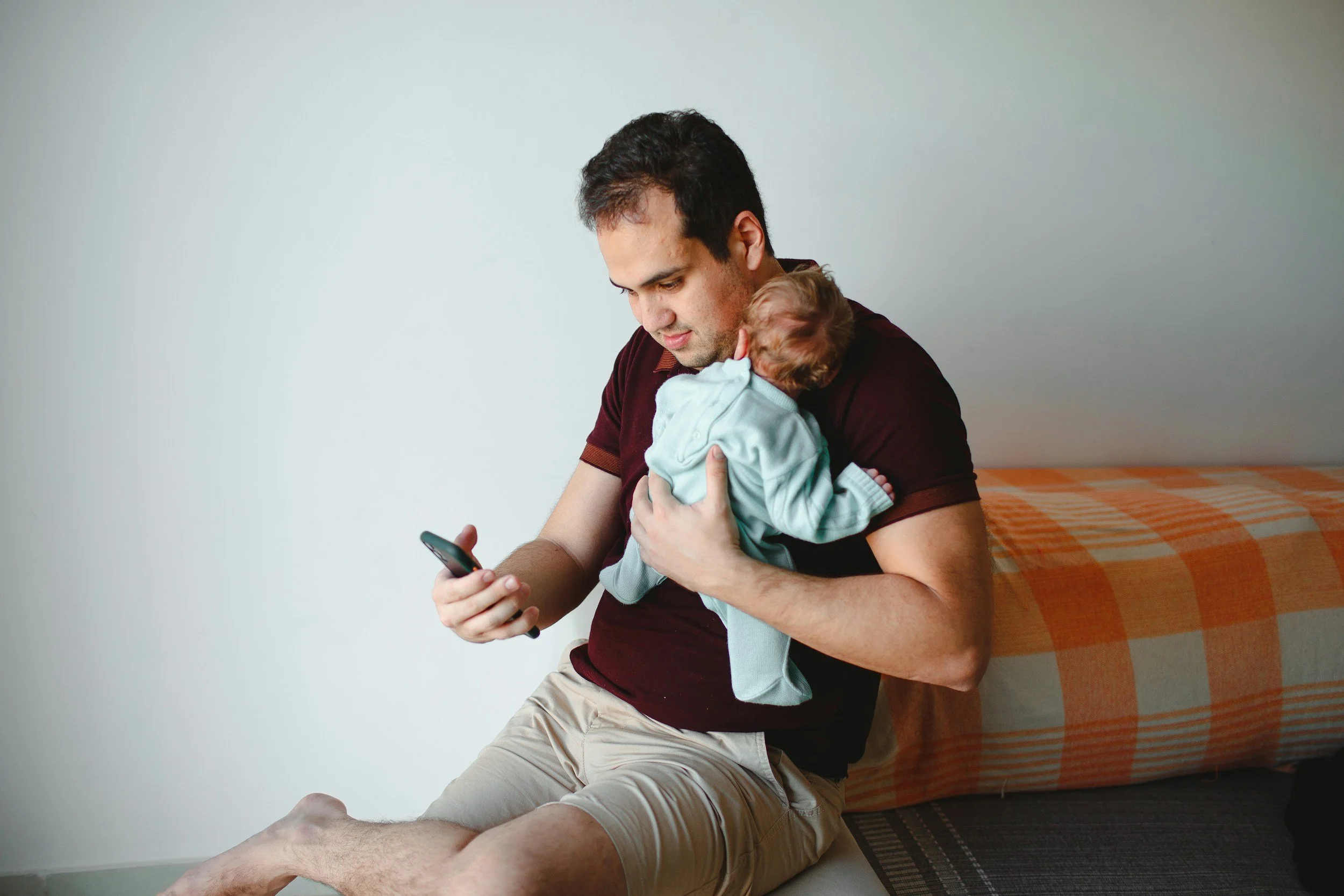
Personalized sleep support creates clarity and confidence so you can stop tracking data.
Sleep Is Not Always the Real Issue
Sometimes what looks like “sleep resistance” is:
Separation anxiety
Sensory sensitivity
Overtiredness cycles
Behavioural boundary testing
Feeding pattern disruptions
If we treat every problem as a sleep problem, we miss the bigger picture.
That’s why repeating the same method harder rarely works.
Why DIY Advice Only Gets You So Far
Blogs (including mine) can explain:
Why something is happening
What’s developmentally normal
General strategies to try
But they cannot:
Assess your specific child
Adapt in real time
Troubleshoot nuance
Account for family dynamics
And that’s usually the missing piece.
If you’ve tried everything and nothing is sticking, you don’t need another generic checklist. You need clarity.
When It Might Be Time for Personalized Help

Personalized sleep support creates clarity and confidence during the bedtime routine as well as better nights.
If:
You’ve been trying for weeks with no improvement
You dread bedtime
You feel anxious as the evening approaches
You’re arguing with your partner about what to do
You’re second-guessing yourself constantly
Your just want someone to tell you what to do
You want to talk through your specific situation so you can be heard
This is not a willpower issue.
client testimonial
〰️
client testimonial 〰️
We used Dawn to help sleep train our first born. We had such a positive experience that we used her services again for our second born.
My husband and I had recently moved to a different country and live in a small, two bedroom property. Our 4 month old was waking every two hours at night and relied on me to fall asleep. Dawn advised on a suitable set up to sleep train (taking into consideration the space constraints and anxiety about waking up my eldest).
After an in-depth consultation, Dawn provided a detailed package which included a day to day plan and highlighted what to expect throughout the sleep training process.
Communicating with Dawn every day made me feel very supported. It was so helpful to discuss how the previous day went and trouble shoot any issues that rose.
My goals were always prioritized. After 21 days, my baby was able to independently fall asleep. I have a very content and happy baby. I believe that I am a better parent for having gone through the sleep training program with Dawn. I always recommend Dawns expertise to any parents I know/meet.
What I Do Differently
I look at:
Your child’s temperament
Your parenting values
Your schedule
Your capacity
The root of the disruption
your family variables
Your overall pattern, including eating, feeding and sleeping
Then we build a plan that actually fits.
And we adjust it as we go.
Because sleep isn’t solved by force.
It’s solved by tackling it at the root cause and making changes in the right order!

Independent sleep is possible when the strategy fits your child, not just the method
You are not failing.
You are likely applying advice that was never built for your child or you in the first place.
And that’s fixable.
If you’re ready for sleep to feel manageable instead of overwhelming, I’d love to help.